
What if you discovered Pont-à-Mousson in a different way?
Behind the monuments, the major dates, and the figures that history has remembered, women have also contributed to shaping our region. Women of power, knowledge, and transmission, they governed, educated, influenced, and brought renown to Lorraine.
Through four portraits, meet these women and discover the traces they left in Pont-à-Mousson and far beyond.
Pont-à-Mousson, a land of women and influences
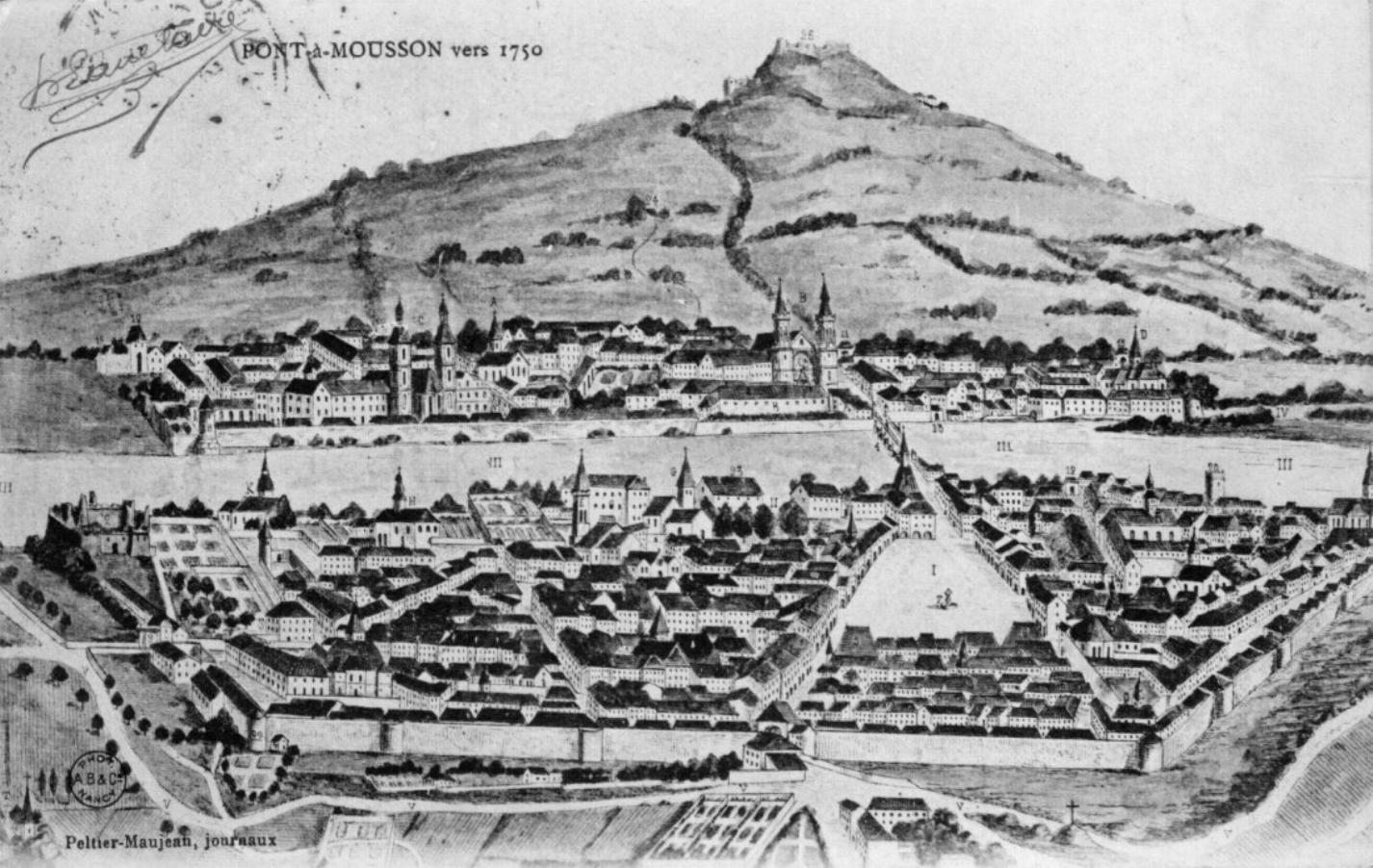
In Pont-à-Mousson, this approach finds particularly fertile ground. From the Middle Ages onwards, the town occupied an important place in the Duchy of Lorraine. Over the centuries, it became a princely residence, a major religious and intellectual center, notably with the founding of its university in 1572.
Behind this story, often told through the great male figures of power, are also women whose influence has far exceeded the family or religious sphere.
Some governed . Others passed on knowledge and participated in the education of girls. Still others contributed to shaping the spiritual, cultural and heritage life of the territory.
 CC-BY-NC-SA 2.0 Creative Common
Four women, four destinies, one single story
To present this history in a different way, the Pont-à-Mousson Basin Tourist Office has partnered with Joy Rivault, a historian specializing in women's heritage, to highlight four female figures linked to the history of the town and Lorraine.
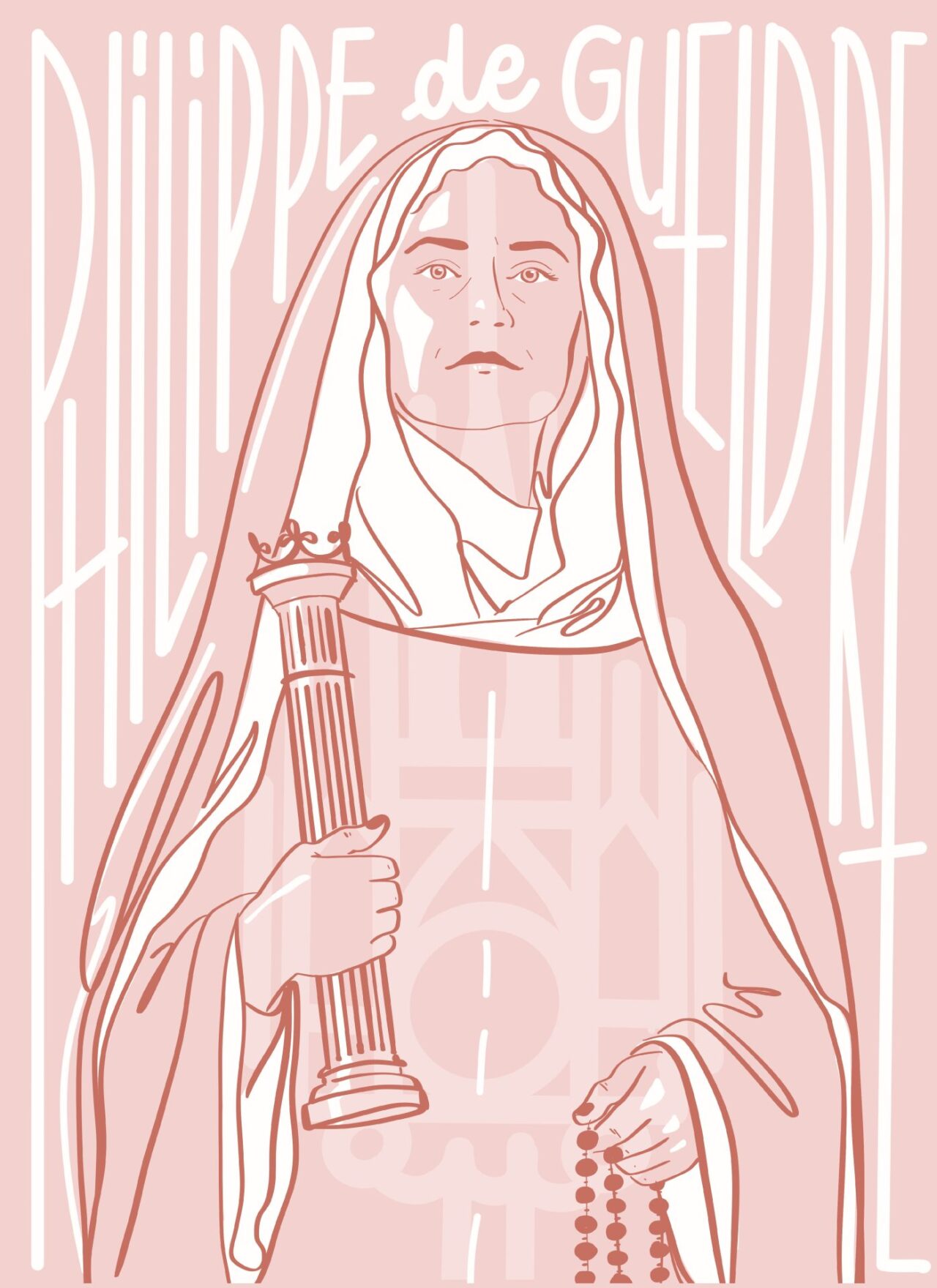
Philippe de Gueldre , Duchess of Lorraine, invites us to discover the role of the female communities of Pont-à-Mousson.
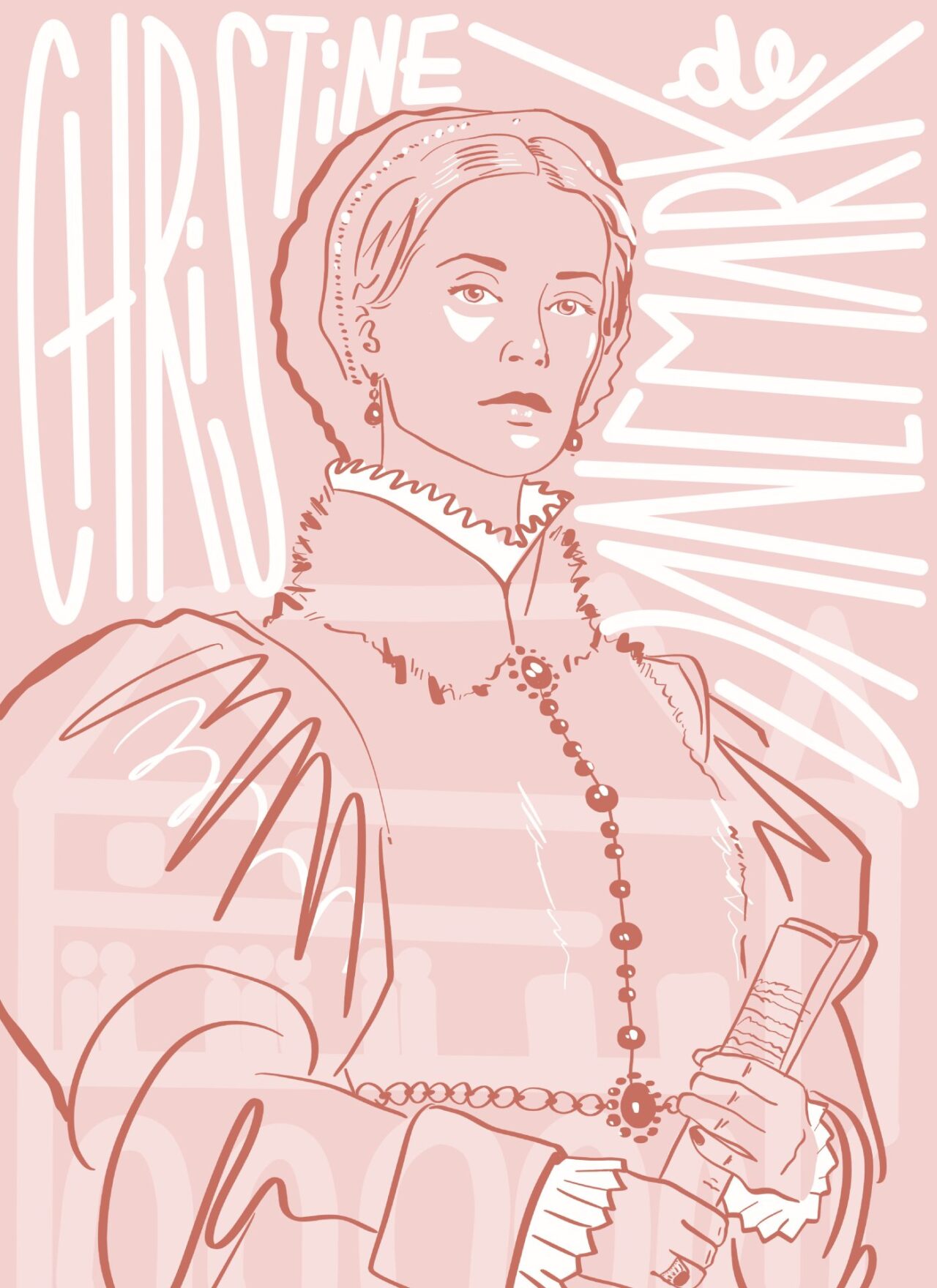
Christine of Denmark represents power embodied by women. Duchess and then regent of Lorraine, she played a key role in preserving the duchy's autonomy within a particularly complex political and diplomatic context.
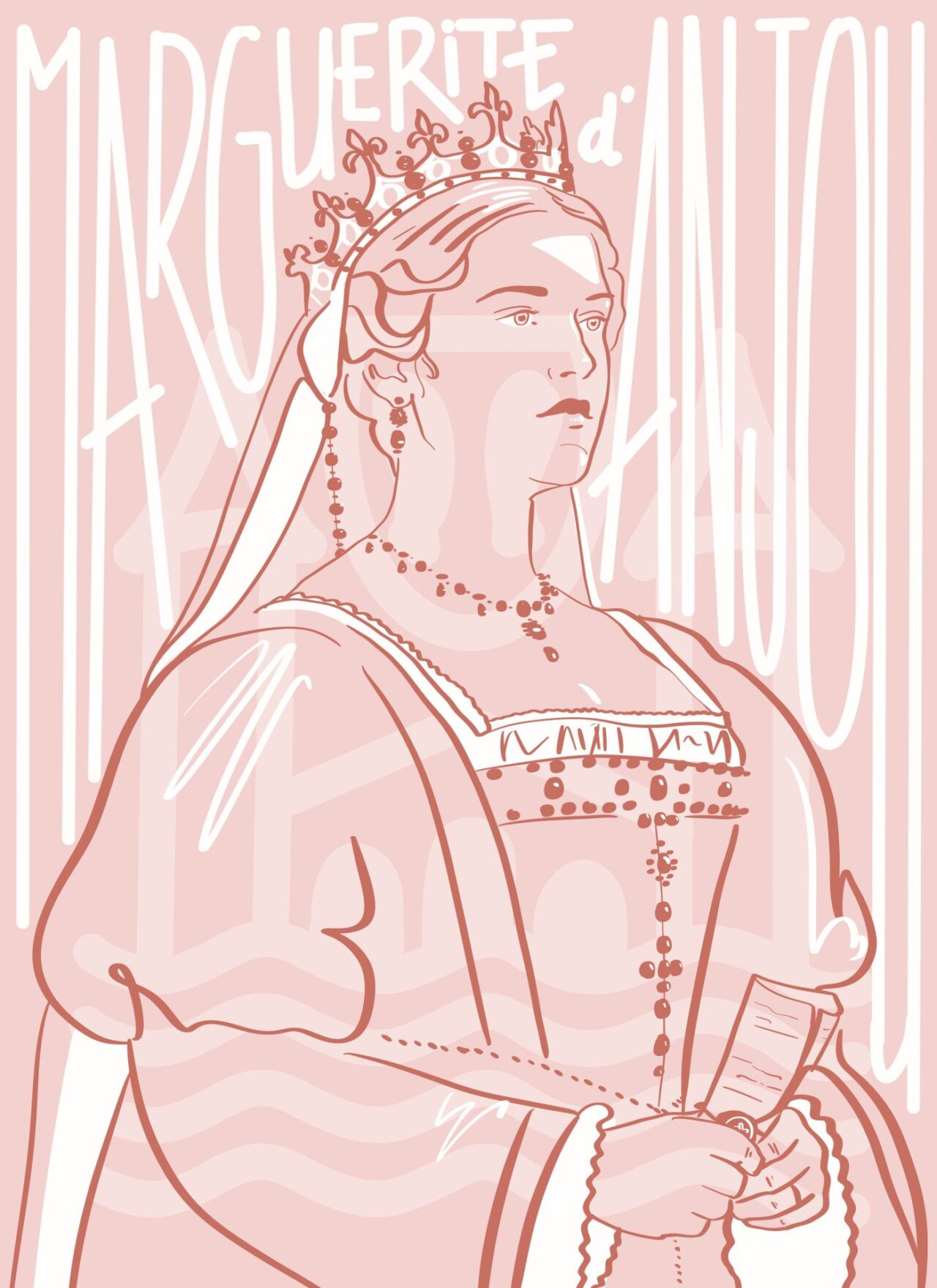
Margaret of Anjou , daughter of René of Anjou and Isabelle of Lorraine, reminds us how closely Pont-à-Mousson was connected to major European affairs at the time. She would become Queen of England and one of the most powerful women in late medieval Europe.
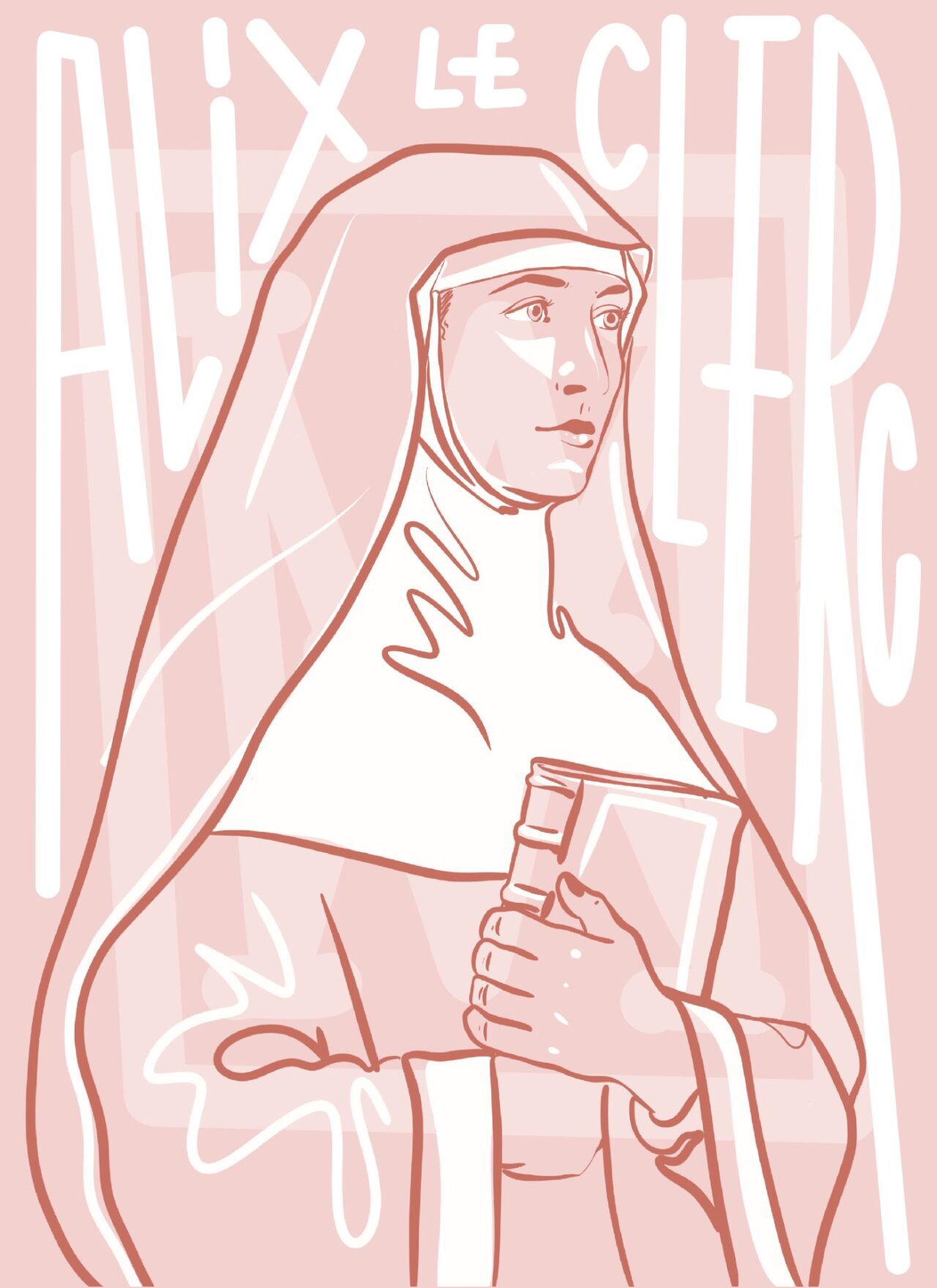
Alix Le Clerc , co-founder of the Congregation of Notre-Dame with Pierre Fourier, pioneer in the education of girls and the transmission of knowledge.
Stories to discover, traces to rediscover
These four portraits are not just biographical accounts. They are an invitation to look at Pont-à-Mousson differently.
An old convent, a work preserved in a church, a princely residence, an educational institution or a heritage object all become starting points for understanding the place of these women in the history of the territory.
This heritage allows for a dialogue between history, heritage, and tourism . It enriches the discovery of the destination by giving faces and stories to places that can now be visited.
Through these four women, another story of Pont-à-Mousson emerges: that of a territory where women have contributed to transmitting, governing and promoting Lorraine.